Listen to this Blog
Bengaluru Metro Expansion: Transforming Urban Mobility with ₹22,800 Crore Infrastructure Push
Introduction
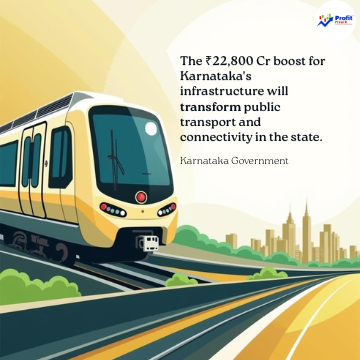
Bengaluru, India's Silicon Valley, took a giant leap in urban infrastructure development with the inauguration of the Yellow Line (Phase-2) and the foundation stone laying for Phase-3 (Orange Line) of the Metro. With a combined investment of ₹22,800 crore, these projects promise to revolutionize commuting, reduce traffic congestion, and support Karnataka’s vision of a smarter, more connected city.
Key Highlights of the Metro Expansion
1. Yellow Line Inauguration (Phase-2)
- Route: RV Road to Bommasandra
- Length: 19 km with 16 stations
- Investment: ₹7,160 crore
- Impact: Connects key areas like Basavanagudi and Electronic City, slashing travel time by up to 50%.
2. Phase-3 (Orange Line) Foundation
- Route: 44 km with 31 elevated stations
- Investment: ₹15,610 crore
- Expected Daily Ridership: 25 lakh passengers
- Unique Feature: Corporate-funded stations via CSR initiatives (Infosys, Biocon, Delta Electronics).
3. New Vande Bharat Express Trains
Three new high-speed trains were flagged off, enhancing regional connectivity:
- Bengaluru to Belagavi (boosts trade/tourism)
- Nagpur to Pune (industrial corridor)
- Shri Mata Vaishno Devi Katra to Amritsar (pilgrimage tourism)
How These Projects Benefit Bengaluru
- Ease of Commuting: Seamless connectivity between residential, commercial, and tech hubs.
- Economic Growth: Improved logistics for businesses and job creation.
- Sustainability: Reduced carbon footprint with mass transit adoption.
Sectoral Impact and Beneficiary Companies from Bengaluru Metro Expansion
The ₹22,800 crore Bengaluru Metro expansion (Yellow Line + Phase-3) and new Vande Bharat Express routes will have a multi-sector ripple effect, boosting industries, businesses, and employment. Below is a breakdown of the key sectors impacted and the companies set to benefit.
1. Infrastructure & Construction Sector
Impact:
- Boost to EPC (Engineering, Procurement, Construction) firms
- Demand surge for cement, steel, and construction materials
- Job creation (skilled & unskilled labor)
Beneficiary Companies:
- L&T (Larsen & Toubro) – Key contractor for metro projects
- NCC Ltd – Infrastructure development player
- UltraTech Cement, Ambuja Cement – Cement suppliers
- Tata Steel, JSW Steel – Steel suppliers for rail tracks & stations
2. Real Estate & Property Market
Impact:
- Property value appreciation near metro stations (RV Road, Bommasandra, Phase-3 corridors)
- New commercial hubs (offices, malls, co-working spaces)
- Affordable housing demand along metro routes
Beneficiary Companies:
- Sobha Ltd, Brigade Group – Leading Bengaluru realty developers
- Prestige Estates – Commercial & residential projects near metro lines
- DLF, Godrej Properties – Expanding in Bengaluru’s growth corridors
3. Transportation & Logistics
Impact:
- Reduced congestion → Faster freight movement
- Last-mile connectivity boost (e-rickshaws, bike taxis)
- Easier workforce mobility for IT parks & industrial zones
Beneficiary Companies:
- Ola, Uber – Increased ride-hailing demand
- BluSmart, Yulu – EV-based last-mile solutions
- Delhivery, Blue Dart – Logistics efficiency near metro hubs
4. Corporate & IT Sector
Impact:
- Improved employee commute to tech hubs (Electronic City, Whitefield)
- Higher productivity due to reduced travel stress
- CSR-funded stations enhance corporate branding
Beneficiary Companies:
- Infosys, Wipro, TCS – Major employers along metro routes
- Biocon, Delta Electronics – CSR contributors for metro stations
- Co-working spaces (WeWork, 91Springboard) – Demand near metro stations
5. Tourism & Hospitality
Impact:
- Vande Bharat trains boost religious tourism (Katra-Amritsar) & business travel (Bengaluru-Belagavi)
- Hotel & restaurant growth near metro stations
Beneficiary Companies:
- IRCTC – Tourism packages for new train routes
- Taj Hotels, ITC Hotels – Premium stays near metro hubs
- Zomato, Swiggy – Food delivery near transit points
6. Manufacturing & ‘Make in India’
Impact:
- Local sourcing of metro components (signaling systems, rolling stock)
- Push for ‘Zero Defect, Zero Effect’ manufacturing
Beneficiary Companies:
- BEML – Metro coach manufacturer
- Siemens, Alstom – Rail signaling & electrification tech
- Bharat Forge – High-precision metro components
7. Banking & Finance
Impact:
- Infrastructure financing opportunities
- Rise in home loans (real estate boom near metro)
Beneficiary Companies:
- SBI, HDFC Bank – Funding metro-linked projects
- HDFC Ltd, LIC Housing – Home loan demand surge
Conclusion: A Win for Multiple Industries
The Bengaluru Metro expansion is not just a transport project—it’s an economic multiplier that benefits:
✅ Construction & Real Estate (L&T, Sobha)
✅ Corporate & IT (Infosys, Wipro)
✅ Tourism & Hospitality (IRCTC, Taj Hotels)
✅ Manufacturing (BEML, Siemens)
✅ Banking (SBI, HDFC)Investors, businesses, and job seekers should track these sectors for growth opportunities.
A Glimpse of India’s Infrastructure Revolution
The Bengaluru Metro expansion aligns with broader national progress:
- Metro Networks: From 5 cities (2014) to 24 cities today (3rd largest globally).
- Rail Electrification: 40,000+ km electrified in 11 years.
- Airports: 74 (2014) to 160+ (2025).
- Digital India: UPI dominates 50% of global real-time transactions.
The Road Ahead: Smart Cities & Self-Reliant Tech
- Digital India: AI Mission, Semiconductor Manufacturing, and DigiLocker for paperless governance.
- Make in India: Bengaluru’s role in mobile/electronics exports (from $6B to $38B in 11 years).
- Zero Defect, Zero Effect: Eco-friendly manufacturing standards.
Conclusion
Bengaluru’s Metro expansion is more than just infrastructure—it’s a catalyst for economic growth, sustainability, and urban transformation. As India races toward becoming a $5 trillion economy, projects like these underscore the power of collaborative governance and technological innovation.
What’s your take on Bengaluru’s metro growth? Share in the comments!
Disclaimer
This blog summarizes publicly available project details. For official updates, refer to Bangalore Metro Rail Corporation (BMRCL) or Ministry of Urban Development.
- Bengaluru Metro Phase 2 and 3
- Yellow Line Metro Bangalore
- Vande Bharat Express routes
- Karnataka infrastructure projects
- Urban mobility India 2025
- Make in India CSR initiatives
- Digital India impact
- Sustainable transport solutions


.jpg)


